What Makes a Historic Pavilion Worth a Slow Visit
Historic pavilions are easy to treat as quick photo stops. Their scale is often compact, the main shape is visible from a distance, and a busy itinerary encourages a few pictures before moving on. But these buildings reward a slower visit because they were often designed as much around movement and views as around walls.
Arrive from a distance
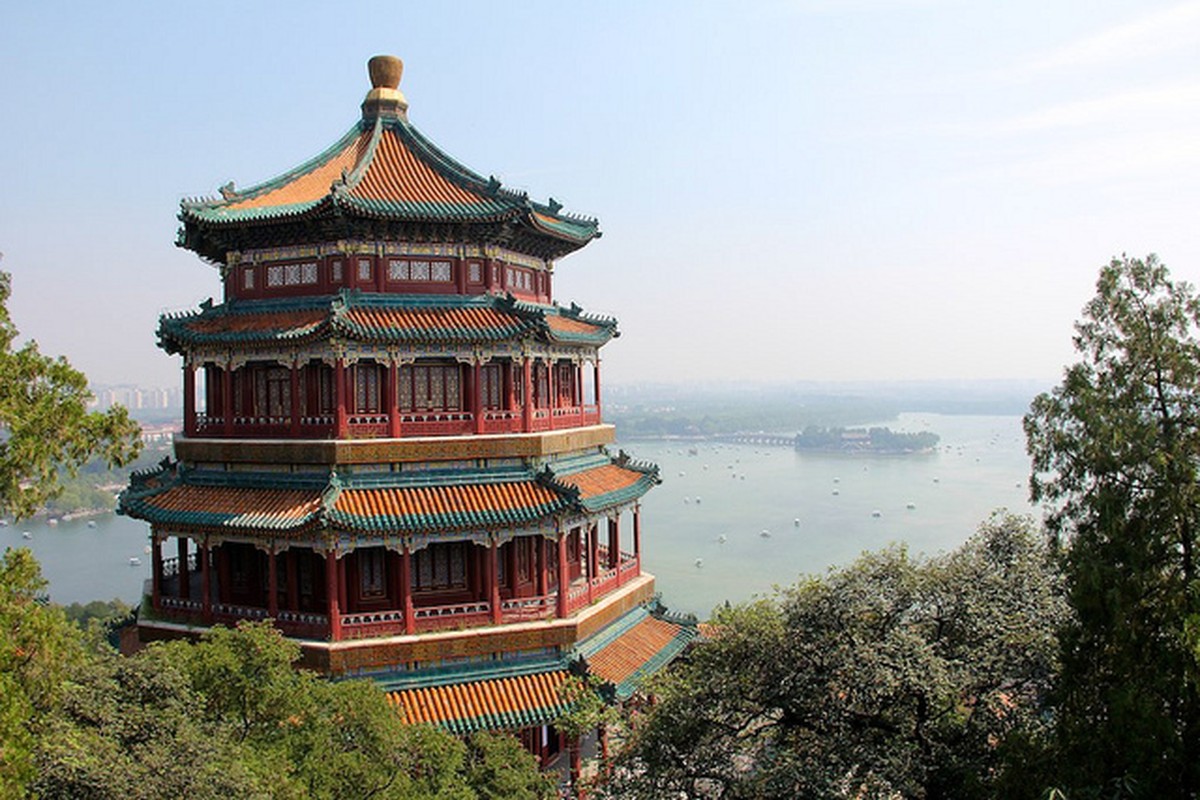
Before walking straight to the entrance, look at how the pavilion sits in the larger setting. Is it raised above water, aligned with a path, framed by trees, or placed to appear gradually as you approach? The first useful detail may be the relationship between building and landscape rather than the building itself.
Walk a short arc around it if the site allows. Roof proportions, columns, and openings can look surprisingly different from another angle.
Read the roofline and thresholds
Look where the roof changes direction, how far the eaves extend, and how supports meet the structure above. Then move to the threshold. Doors, steps, screens, railings, and changes in floor level often mark a transition between public path and sheltered interior.
You do not need technical architectural terms to notice rhythm and repetition. Count how many bays or openings you see, or follow one decorative pattern from one side of the building to the other.
Look outward as much as inward
A pavilion can function as a frame for its surroundings. Stand where someone might naturally pause and look out. A lake, garden, courtyard, mountain, or distant roofline may have been part of the intended experience.
This is also a good place to put the camera down for a minute. The sound of footsteps, moving leaves, water, or voices in the distance can explain why the structure feels different from a building designed mainly for enclosed rooms.
Find one crafted detail to remember
Instead of documenting every surface, choose one detail: a painted bracket, carved joint, worn stone step, tile edge, latch, or patch of repaired wood. Small evidence of making and maintenance can make an old structure feel less like a postcard and more like something that has been used over time.
A slow visit does not need to be a long visit. Ten attentive minutes can reveal more than a large set of hurried photographs, especially when you let the pavilion lead your eye back toward the landscape around it.