Photographing One Flower in Changing Light
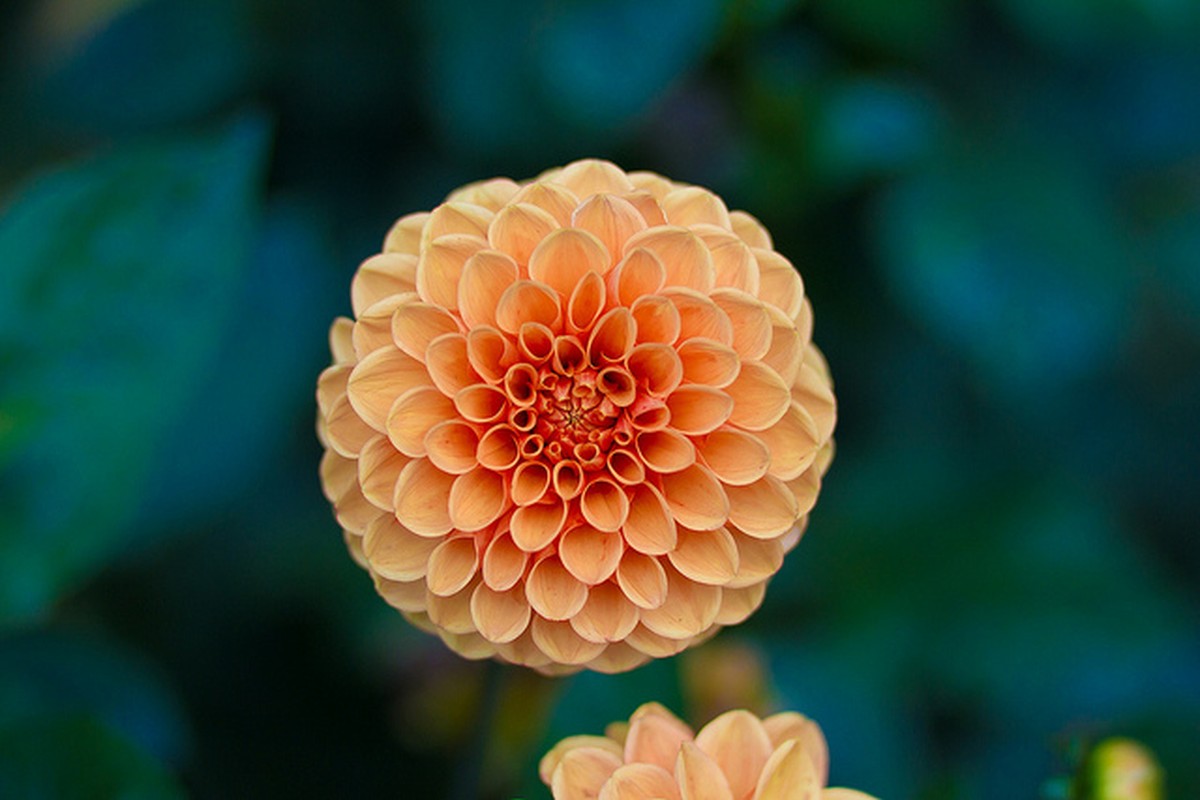
A single flower is a useful photography subject because it removes the pressure to find something dramatic. The subject stays simple while light, distance, background, and framing do the work. You can make the exercise in a garden, on a balcony, or beside a window.
Work the same subject twice
Photograph the flower once when the light is direct and again when the light is softer. Morning, late afternoon, or a passing cloud can change the surface of petals more than a new camera setting does. Keeping the subject fixed makes those changes easy to see.
Do not worry about recreating the exact composition. Instead, ask what the new light makes more visible: texture, translucency, color, or the shape of the stem.
Move the background, not the flower
A small change in camera position can replace a busy background with leaves, shadow, open sky, or a plain wall. Before pressing the shutter, look behind the flower. A bright object near the edge of the frame can attract more attention than the subject itself.
Step a little left or right and lower the camera. Often the cleanest photograph comes from changing where you stand rather than moving anything in the scene.
Use shade deliberately
Direct sun can create vivid color, but it can also produce hard highlights. In open shade, color often looks calmer and subtle variations in the petals become easier to record. Neither is automatically better. Try both and decide which version matches what caught your attention.
Make a three-frame study
- Begin with a wider frame that shows where the flower grows.
- Move closer for a portrait of the full bloom.
- Finish with one detail: the center, a curled petal, a water drop, or a leaf.
This sequence creates variety without changing subjects. It also makes you switch between context and detail, a useful habit for travel, food, and everyday photography as well.
End with one imperfect frame
Before leaving, make a photograph that breaks your own pattern. Include a stem crossing the frame, let part of the flower sit near an edge, or use more empty space than feels necessary. The result may not be your favorite, but it keeps the exercise from becoming mechanical.
One flower can hold attention for much longer than expected. The value of the exercise is not the subject itself; it is learning how much a photograph can change while the subject hardly moves at all.